Expert Employment Immigration Lawyer: Your Comprehensive Guide to Traversing Immigration Procedures
Navigating the challenges of employment-based immigration requires expert direction. The right attorney can substantially influence the conclusions of permit submissions. With assorted permit types and regularly changing statutes, grasping the playing field is essential. Employers and personnel confront shared challenges that might hinder their goals. What factors should people reflect on when selecting an immigration lawyer? Analyzing these elements will provide clarity on a more definite trajectory through the permit submission process.
Main Varieties for Employment-Based Immigration
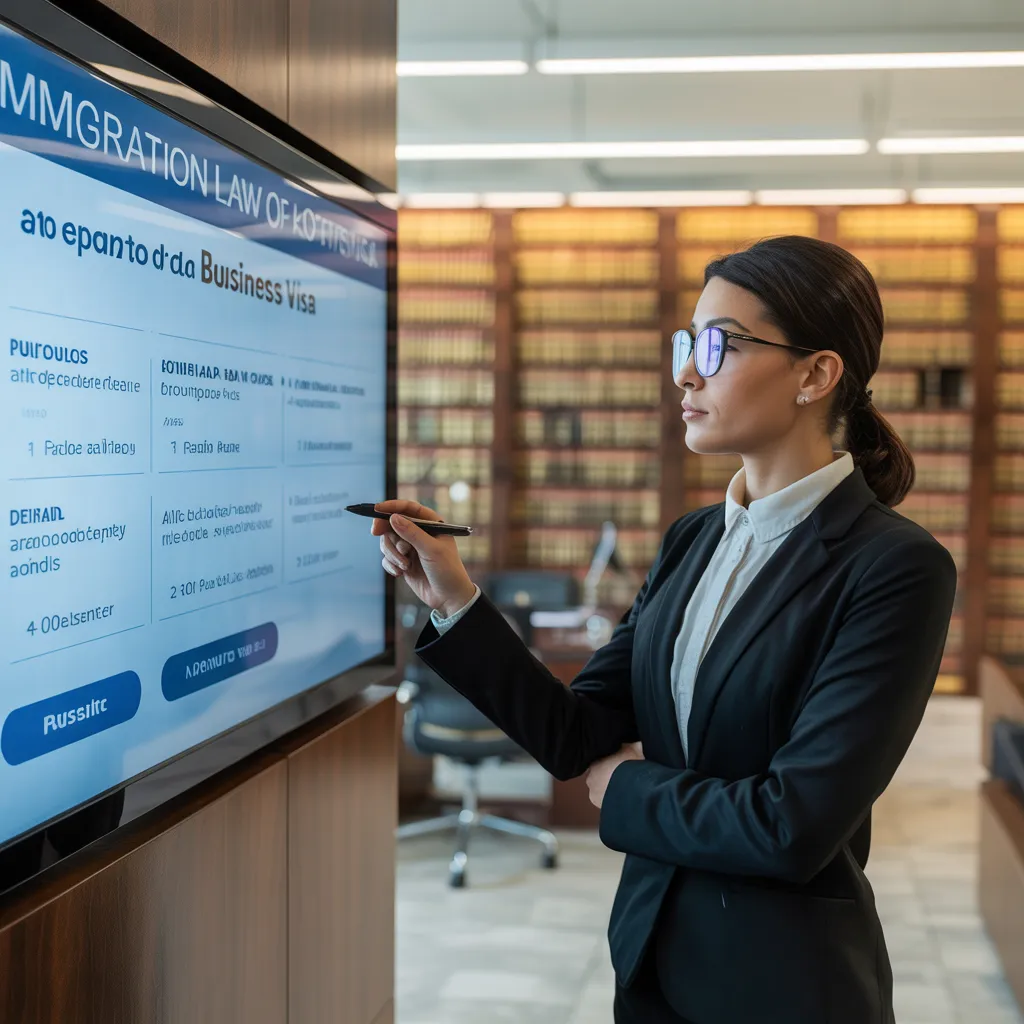
When considering employment-based immigration, understanding the various types is essential for both employers and prospective employees. Several key categories support this process, each tailored to specific circumstances. The H-1B is one of the most well-known, permitting U.S. companies to employ foreign workers in specialty occupations that require theoretical or technical expertise. The L-1 enables intra-company transferees to work in the U.S., ideal for multinational companies. Another notable category is the O-1 , which is designated for individuals with extraordinary ability or achievement in their field. Additionally, the EB-2 and EB-3 provide pathways for skilled workers and professionals seeking permanent residency based on employment. Grasping these types helps both parties navigate the complexities of employment-based immigration effectively, ensuring compliance with legal requirements and enhancing the hiring process.
Common Obstacles in Employment-Based Immigration and Fixes
Handling the difficulties of employment-based immigration poses multiple common hurdles that can hinder both workers and companies. One major hurdle is the constantly evolving immigration regulations, which can produce uncertainty and bewilderment. Employers may find it difficult to remain current with these updates, causing probable compliance complications. In addition, protracted processing times for work permits can postpone hiring, affecting business functions.
One additional obstacle presents itself in the filing requirements. Candidates regularly face challenges collecting the required documents, which can cause incomplete applications and subsequent rejections. Furthermore, a shortage of transparent dialogue among companies and employees can worsen confusion regarding the immigration procedures.
To mitigate these hurdles, firms can put resources into capacity building for HR associates on immigration concerns and institute clear exchange channels. Pursuing specialist input from practiced immigration counselors can also streamline the activity, ensuring that both entities work through the nuances effectively and successfully achieve their immigration aspirations.
Finding the Right Migration Lawyer for You
How can an individual guarantee they locate the right immigration attorney to handle the complexities of employment-based immigration? First, potential clients should evaluate the attorney's experience and specialization in employment-based additional article cases. A qualified attorney will have a deep comprehension of immigration laws and procedures relevant to employment .
Additionally, obtaining recommendations from trusted sources can supply worthwhile knowledge into an legal professional's reputation and effectiveness. Digital reviews and client testimonies can also help evaluate patron happiness.
In addition, it is crucial to coordinate consultations to assess patterns of communication and overall harmony. A proficient legal advisor should be welcoming, responsive, and able to explain complex legal concepts clearly.
Finally, individuals ought to address pricing arrangements upfront to prevent unexpected costs. By considering these factors, people can assuredly pick an immigration attorney who meets their specific needs and promotes a smoother immigration process.
The Travel Permit Application Process: What Lies Ahead
What steps should one anticipate during the application process? Initially, applicants must identify the appropriate type based on their employment status. After determining the correct category, they should collect required documents such as job offers, academic credentials, and any required approvals from employers.
Next, candidates will need to complete the application form, which frequently contains comprehensive personal and professional information. Once the form is submitted, candidates typically pay the associated fees. Following this, interviews could be scheduled, where candidates can anticipate to respond to inquiries regarding their qualifications and intentions in the host country.
Finally, after the interview, applicants wait for a decision, which can vary between approval to denial. Throughout this process, maintaining open dialogue with an immigration attorney can help navigate any complexities that occur. Understanding these procedures can simplify the application journey, increasing the likelihood of a favorable result.
Authentic Real Examples in Employment-Related Immigration
Getting through the approval procedure can be daunting, but many people have obtained employment-based , transforming their professional lives. Take, for example, Maria, a software engineer from Brazil. After a lengthy process, she received an H-1B , enabling her to work for a leading tech firm in Silicon Valley. This opportunity not only boosted her professional path but also enhanced her personal life.
In the same way, Raj, an Indian physician, surpassed numerous obstacles to obtain a J-1 for a medical residency in the United States. His dedication and resilience ultimately led him to secure a lasting role in a renowned hospital, realizing his dream of practicing medicine in America.
These concrete accounts of success underscore the consequence of work-related immigration, demonstrating how determined individuals can navigate involved procedures and attain their objectives, helping to heterogeneous firms and locales across the country.

Often Answered Questions
What Skills Do I Need to Look for in an Immigration Attorney?
When seeking an immigration attorney, one should focus on pertinent expertise, a solid history with comparable matters, effective communication abilities, favorable client feedback, and current understanding of immigration laws and procedures. Credentials matter considerably.
What Is the average timeframe of the approval procedure?
The application process typically requires several months, depending on the type and personal situations. Elements such as processing times, required documentation, and potential backlogs can significantly affect the overall duration of the application.
Do Employment-Based Immigration Applicants Have Age Limits to Consider?
Generally, those applying for employment-based immigration do not face particular age restrictions. However, particular categories may include age-dependent factors, including eligibility for specific programs or benefits, and these can vary based on individual circumstances.
Can I submit applications for multiple Types simultaneously?
Yes, an individual can file various types at the same time. However, each application must fulfill specific requirements and regulations. Consulting an immigration attorney can help manage the challenges of submitting various applications successfully.
What Are the Expenses Associated With Retaining an Immigration Attorney?
Hiring an immigration lawyer typically includes costs for consultations, document preparation, and representation. Expenses can differ significantly based on the lawyer's expertise, the intricacy of your situation, and geographic location, often ranging from hundreds to thousands of dollars.